Python and AI in 2026
It's been a while since I sent out this newsletter. The last twelve months have probably been the most hectic that I've seen in the last decade. AI has taken off exponentially, and being an AI trainer it has kept me really busy (in a good way).
And with AI taking off like this, its had a huge impact on the Python ecosystem as well. There has been a massive influx of new developers into the community, many who are not from a traditional developer background - which is great!
I've also spoken at three conferences in 2025, and most Python conferences these days are at least 50% on AI topics. Funnily enough, even though I've been doing a bunch of AI training and consulting the last year, all my conference sessions have been on core python 😁
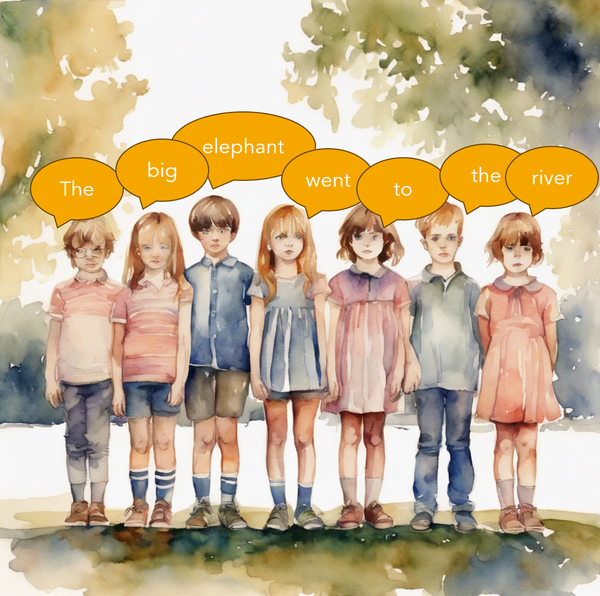
Functional Programming in Python
I wrote a lot about functional programming in the early days of this site. Functional programming provides a clean way to write maintainable code, but I'll be honest – it can be confusing if you've never read such code before. It took me almost three years before the concept clicked.
In 2025, I put together all the material on functional programming and did two workshops. One in Hyderabad for Pyconf Hyd and another one later in the year at Singapore for PyCon SG.
I plan to eventually convert the workshop contents into videos and upload them to the Playful Python youtube channel. But in the meantime, here are some of those early articles to check out
 Siddharta Govindaraj
 Siddharta Govindaraj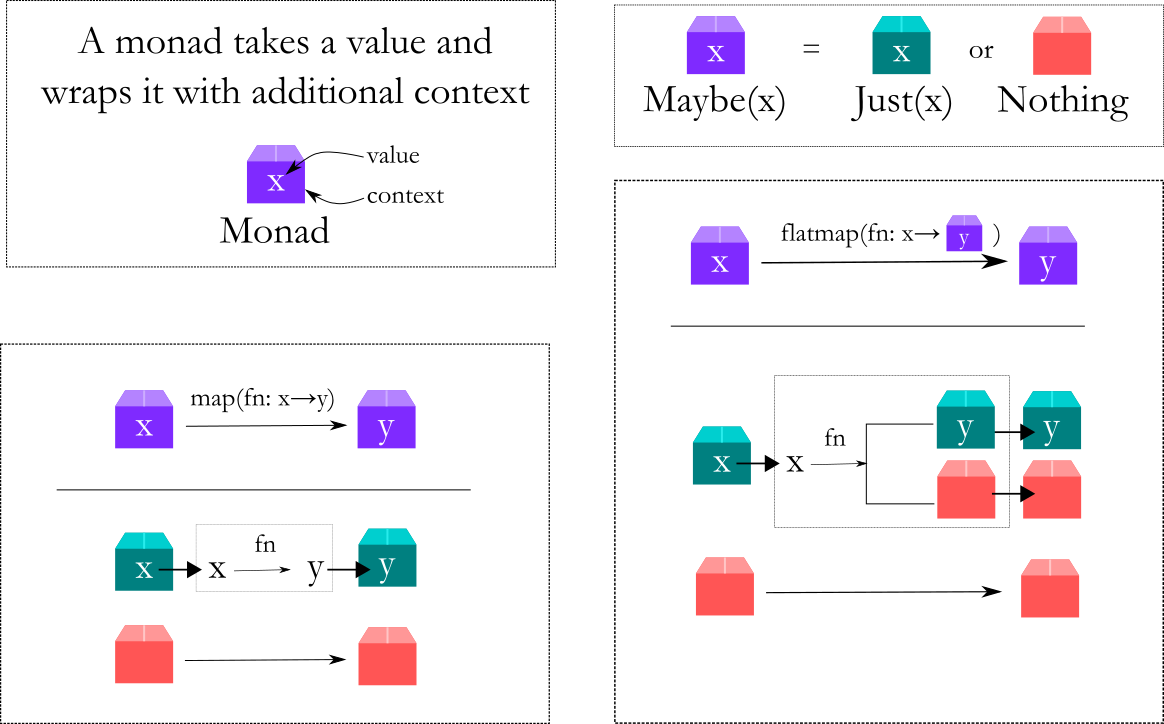
 Siddharta Govindaraj
But is it relevant in the age of AI?
One of the questions I get asked constantly when teaching my agentic coding class is whether it even matters if a developer knows programming or not. After all, do you really want to spend three years learning functional programming when AI is going to write all the code. Here are my thoughts on that question:
Firstly, there is no doubt AI is really good at writing code. Going forward, everyone will be using AI as an integral part of their development workflow just as they use an IDE today.
That said, AI is not great at writing good quality code. AI tends to take the shortest path to solving a problem which means that AI generated code is riddled with loops and conditionals and bad abstractions – much like the way that a fresh programmer would write code. This will get better in the future, but it's not there yet.
AI can write good quality code provided the developer prompts it properly – and this is where the catch lies. In order to ensure that the AI writes code well, the developer should first have a clear picture of what good code looks like. And once you have an idea of what good code looks like, what good design looks like and what good abstractions look like, you can then effectively guide the AI through the implementation.
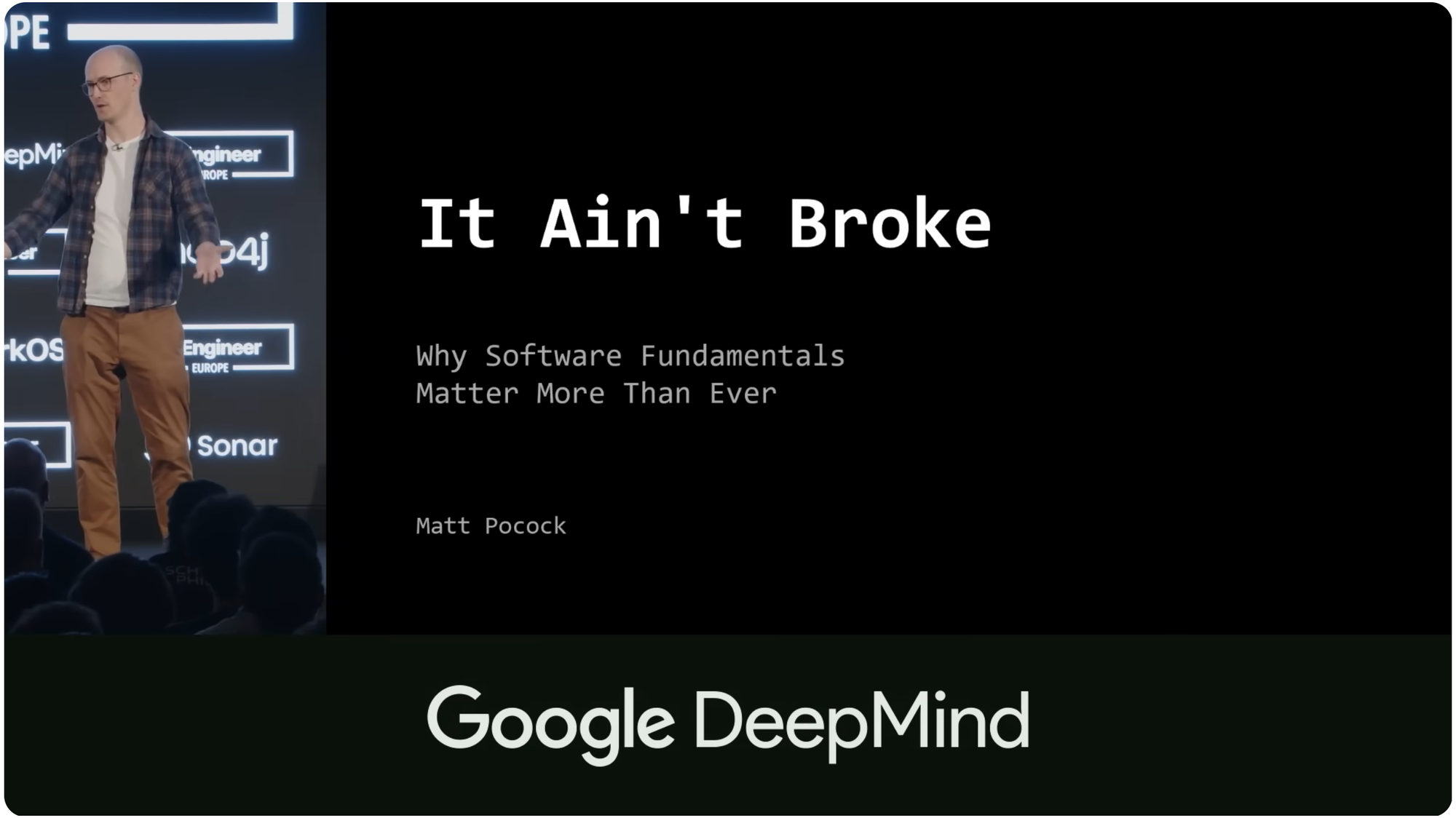
So yes, knowing the fundamentals of good coding is something every developer still needs to know. On that note, here is a nice talk by Matt Pocock on this topic
Look forward to more emails
That's it for this issue. There has been a big break in my emails, but you'll see a lot more content in the weeks and months coming forward.
See you next time 🎉
Written by
What's Next?
The Pi Coding Agent
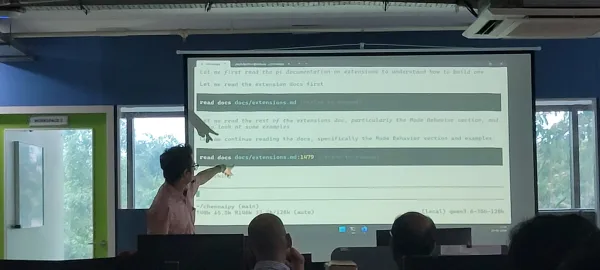
Last month I did a session at the local ChennaiPy meetup about "Pi and Py: Using the Pi agent for Python coding". Pi is a coding agent harness. If you've used Claude Code or Codex for coding, then Pi is similar to those tools. You can learn more about Pi below: Pi Coding AgentA terminal-based coding agent Open source Coding Harnesses One differentiator between Pi and Claude Code / Codex is that Pi is open source. Another tool in the open source agentic coding space is Opencode. There are tw